
Child Labour Does Not Define the DRC Mining Industry
Child labour is real in DRC artisanal mining, but copper-cobalt output is dominated by industrial mines. The larger issue is who captures the mineral rent.


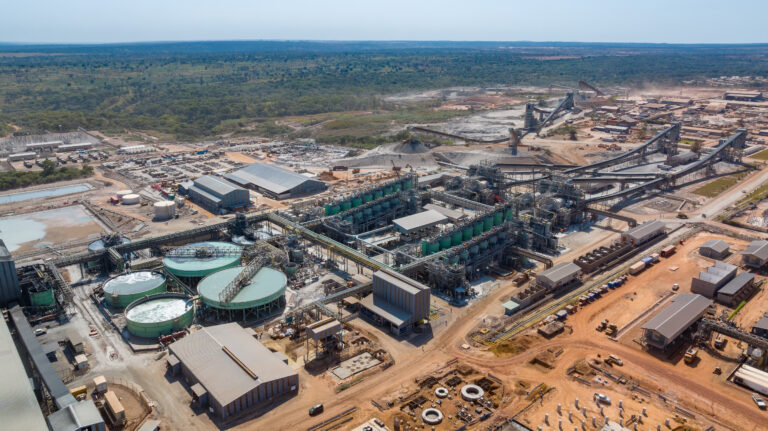
Look at Kamoa-Kakula
Kamoa-Kakula alone demonstrates how misleading it is to reduce Congolese copper production to an artisanal-mining story.
The operation is a major underground copper complex southwest of Kolwezi. Its Phase 1 concentrator began production in 2021. Phase 2 doubled installed processing capacity, subsequent debottlenecking increased throughput further and Phase 3 added another large concentrator.
Ivanhoe describes Kamoa-Kakula as a large-scale, long-life industrial copper operation built around mechanised underground mining, high-capacity ore conveying, concentrators, tailings infrastructure, power systems and increasingly extensive on-site metallurgical infrastructure.
The ownership structure is equally relevant to the wider debate. Ivanhoe Mines and Zijin Mining each hold an indirect 39.6% interest. Crystal River holds 0.8%. The DRC government holds 20%.
| Kamoa-Kakula Interest | Ownership |
|---|---|
| Ivanhoe Mines | 39.6% |
| Zijin Mining | 39.6% |
| DRC Government | 20.0% |
| Crystal River | 0.8% |
This Is What Industrial Mining in the DRC Actually Looks Like
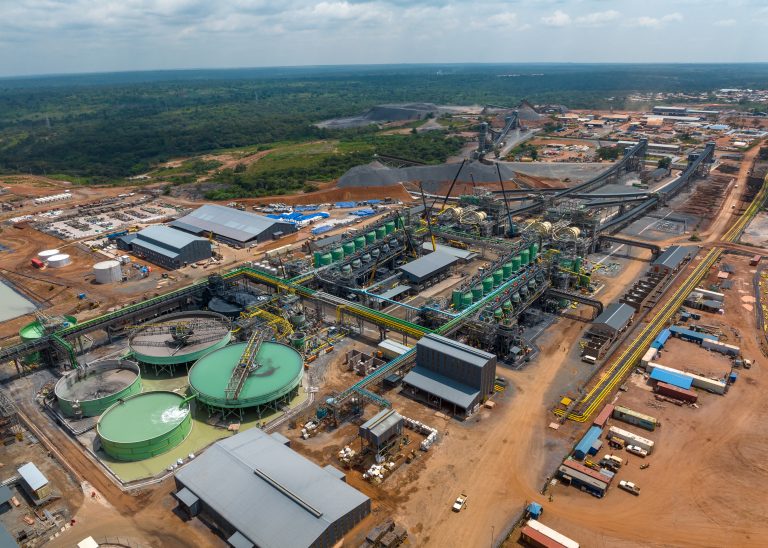
Kamoa-Kakula is not an isolated exception. The Copperbelt around Kolwezi and Fungurume contains multiple industrial mining complexes operated by some of the world's largest mining groups.
The physical infrastructure matters because it makes the distortion in the popular narrative immediately visible. These operations involve fleets of haul trucks, drills, excavators, crushing circuits, concentrators, hydrometallurgical plants, solvent-extraction circuits, electrowinning facilities, laboratories, tailings systems and industrial power infrastructure.

Tenke Fungurume Mining is controlled by CMOC and is one of the country's largest copper-cobalt operations. CMOC reports five TFM production lines and annual copper production capacity above 450,000 tonnes as of 2025.
Whatever criticisms may properly be made about industrial mining ownership, taxation, environmental performance or community relations, describing an operation of this scale primarily through the imagery of artisanal digging is plainly inaccurate.
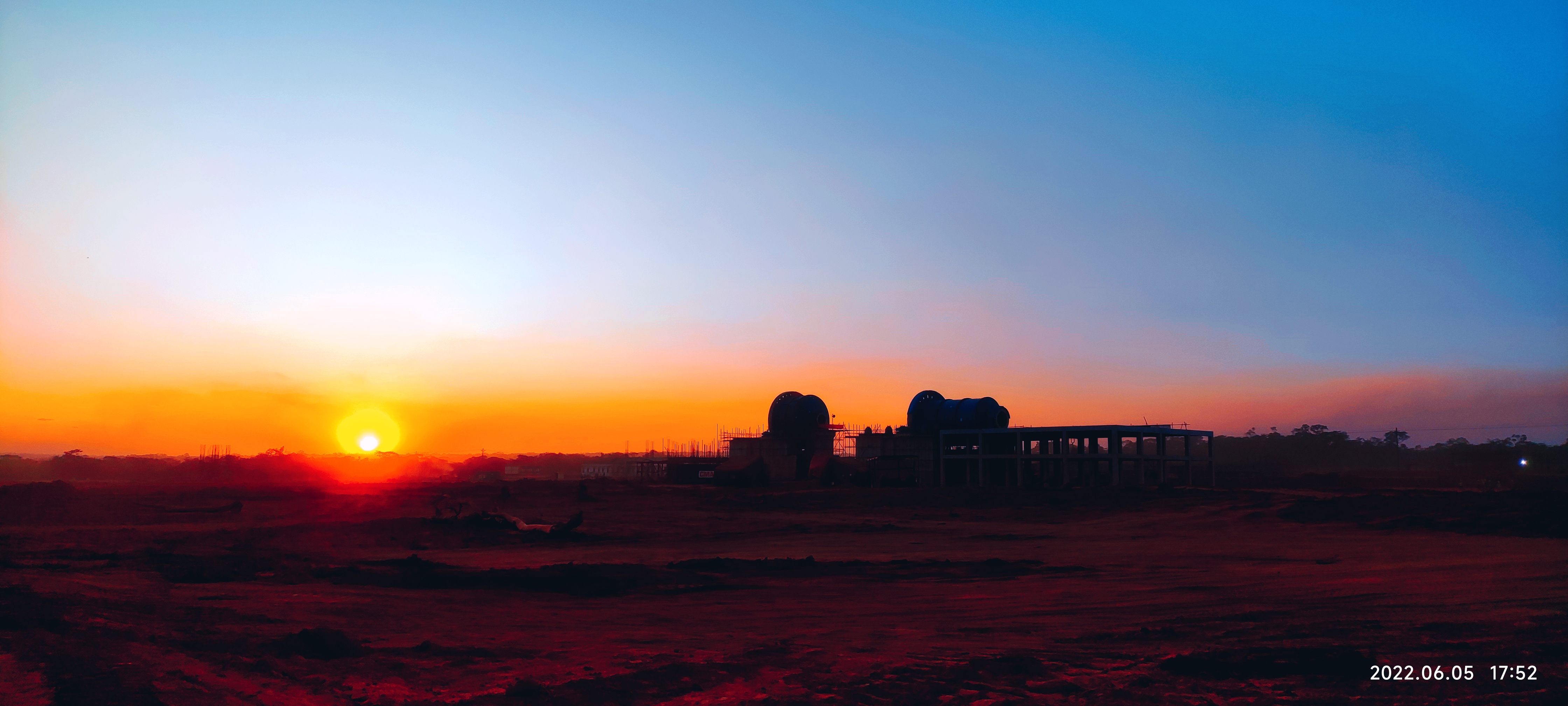
Kisanfu, or KFM, provides another example. CMOC acquired the project from Freeport-McMoRan and subsequently developed it with CATL-linked investment. It is now an operating industrial copper-cobalt mine rather than the undeveloped deposit it was when the acquisition was announced.
CMOC says KFM has installed copper capacity above 200,000 tonnes annually, with further expansion planned. Together with TFM, the two operations cover a substantial industrial mining footprint in Lualaba Province.
Kamoto and Mutanda Add Two More Large Industrial Complexes
Glencore's Congolese portfolio adds two further large-scale examples: Kamoto Copper Company and Mutanda Mining.
Kamoto Copper Company operates open-pit and underground mines around Kolwezi together with the Kamoto concentrator and Luilu refinery. KCC produces copper cathode and cobalt hydroxide through an integrated industrial mining and metallurgical system.
KCC's own description lists the KOV, T17 and Mashamba East open pits, the KTO underground operation, the Kamoto concentrator and the Luilu refinery. Its operating chain includes ore extraction, concentration, leaching, solvent extraction and electrowinning.
Mutanda Mining operates three open pits approximately 40 kilometres east of Kolwezi and supplies ore into industrial copper and cobalt production facilities.
Mutanda describes its own process as including drilling and mining, stockpiling, crushing, grinding, leaching, solid-liquid separation, solvent extraction and electrowinning. Again, this is an industrial mineral-processing chain.
KCC Publishes Its Own Industrial vs. Artisanal Comparison
Kamoto Copper Company maintains a site-imagery page showing its large industrial mining footprint and, separately, satellite examples of artisanal cobalt workings elsewhere in Lualaba.
The comparison is useful because it makes visually explicit that these are two very different production systems operating within the same province. View KCC's site impressions .
The Industrial-Mining Point Extends Beyond Copper and Cobalt
Ivanhoe's Kipushi mine near the Zambian border is primarily a zinc-copper operation rather than a cobalt mine, but it is useful for understanding the wider structure of Congolese mining.
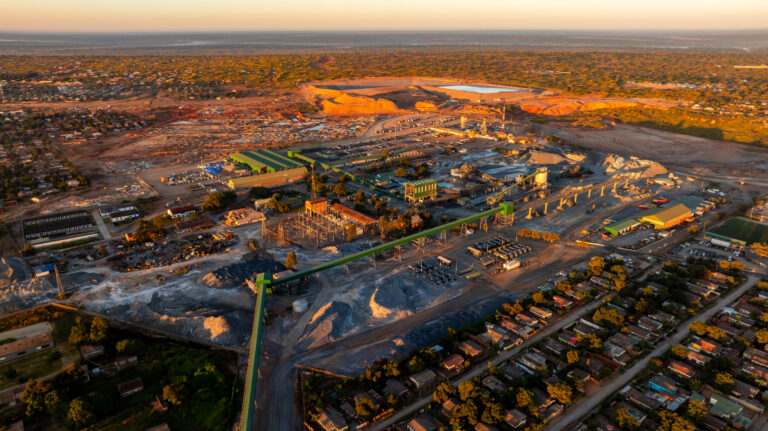
The point is not that artisanal mining has disappeared from Congo. It plainly has not. The point is that anybody attempting to understand the country's mining economy needs to distinguish artisanal mineral production from the enormous industrial complexes responsible for a large share of the country's export value, fiscal revenues and strategic copper-cobalt output.
One Country, Two Very Different Mining Economies
The visual difference is not cosmetic. These are different economic systems.
An artisanal pit raises questions about informal employment, child labour, occupational safety, traceability and formalisation.
A billion-dollar industrial mine raises questions about concession rights, foreign investment, shareholder economics, royalties, mineral valuation, transfer pricing, debt financing, environmental liabilities, domestic procurement, tax administration and how much of the economic rent remains in the DRC.
Both sets of questions matter. Pretending that the first set adequately describes the second is the analytical problem.


